Dominatrix - Exclusive Members-Only Website UX Concept
This project started as a small request but evolved into a deeper UX exploration of tone, intimacy, and exclusivity in digital design. The aim was to design a members-only online experience for a dominatrix brand that reflected its cultural values: ritual, trust, power dynamics, and exclusivity. Instead of creating a cliché or sensational site, the challenge was to design something premium, curated, and psychologically resonant.
Client
Dominatrix
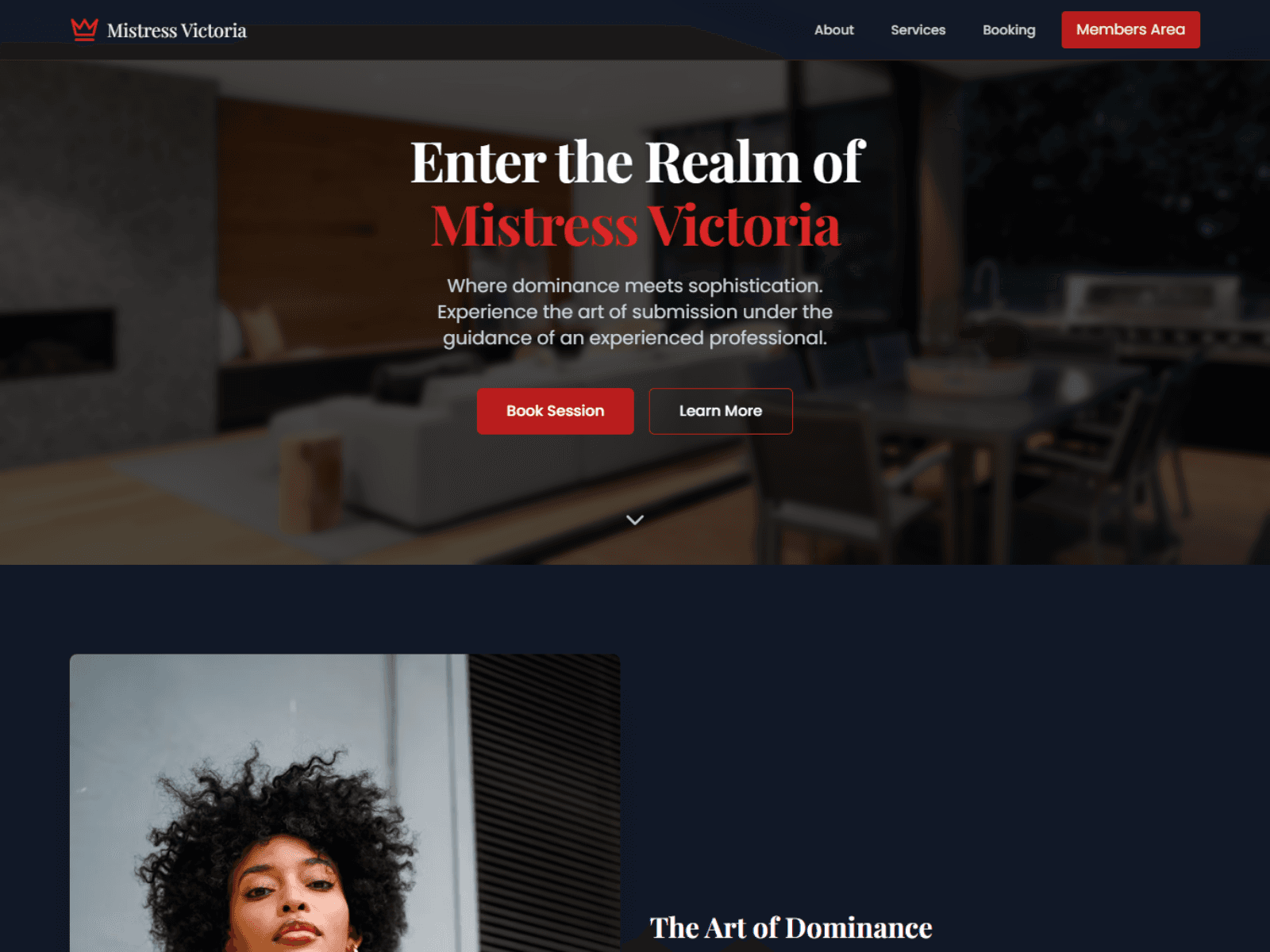
The Goal:
Designing for such a niche presented unique UX challenges rarely encountered in mainstream web design: ➤ How do you visually communicate power and exclusivity without overwhelming the user? ➤ How do you create trust and discretion in an intimate space? ➤ How do you introduce emotional tension (waiting, anticipation) without frustrating the user? ➤ And how do you avoid overused, stereotypical aesthetics while keeping the design elegant and premium? These questions pushed the project to focus on UX psychology as much as UI design.
1
The Challenge:
Designing for such a niche presented unique UX challenges rarely encountered in mainstream web design: ➤ How do you visually communicate power and exclusivity without overwhelming the user? ➤ How do you create trust and discretion in an intimate space? ➤ How do you introduce emotional tension (waiting, anticipation) without frustrating the user? ➤ And how do you avoid overused, stereotypical aesthetics while keeping the design elegant and premium? These questions pushed the project to focus on UX psychology as much as UI design.
2
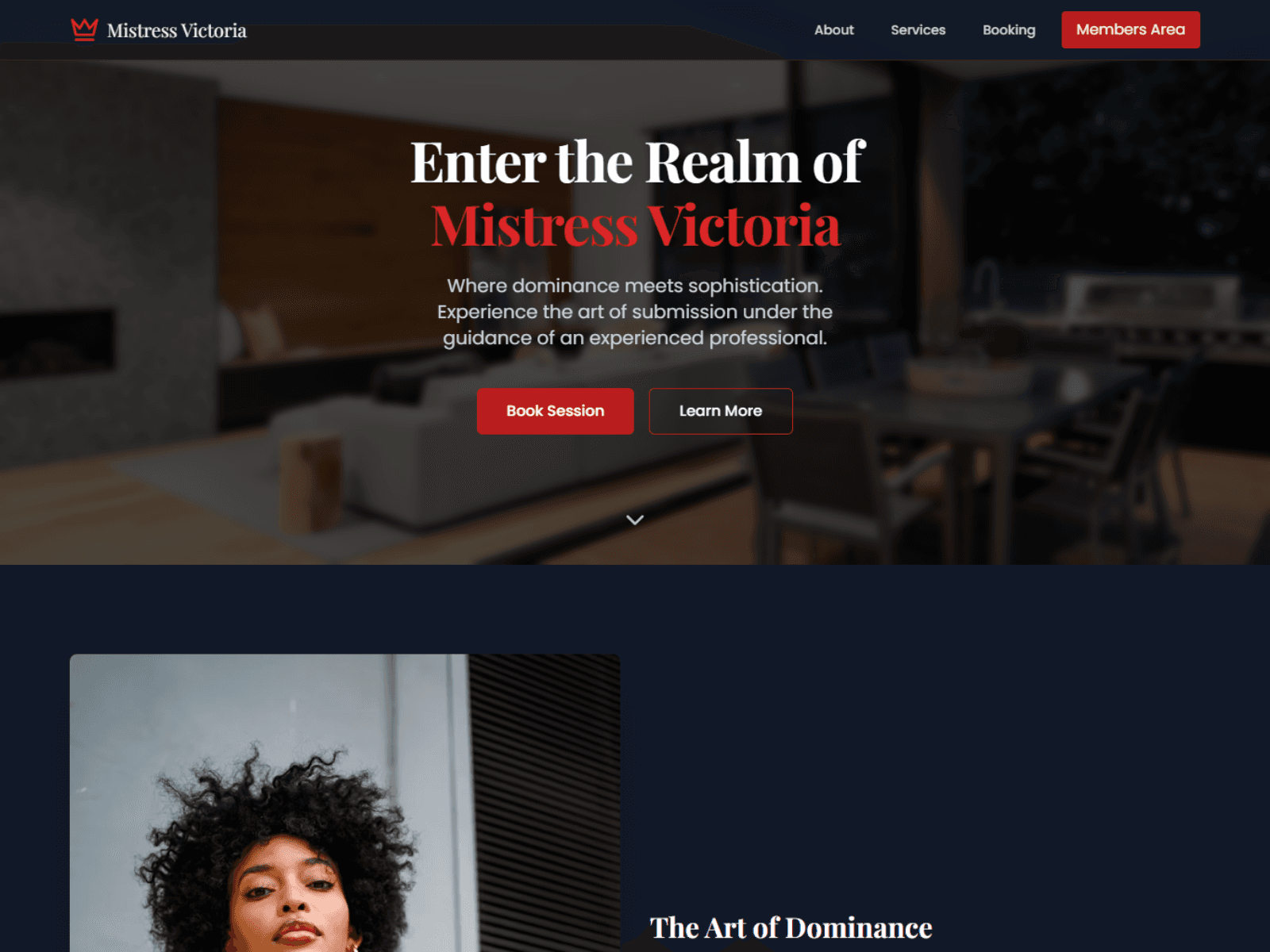
The Result
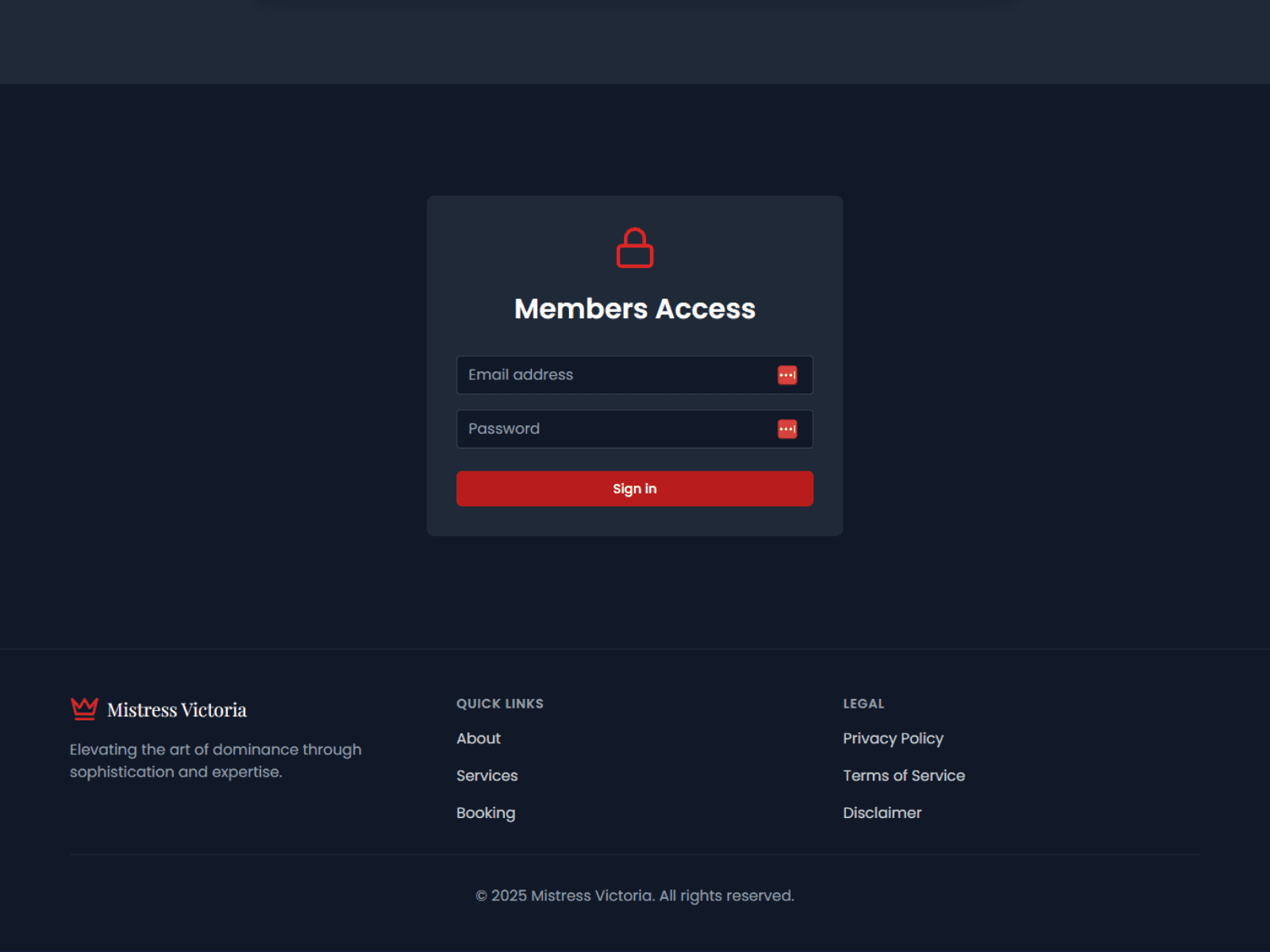
The final concept was a Framer-built responsive landing experience with: ➤ Dark, tactile visuals (velvet-inspired textures, deep color palette) for mood. ➤ Members-only structure with access gates and a 48-hour screening timer to reinforce exclusivity. ➤ Minimalist, confident copy to reduce noise and inspire trust. ➤ Custom interactions and animations that added subtle tension without distraction. Though never launched, the project became a valuable UX case study in how to design for emotion, exclusivity, and trust in digital products. It proved that even concept builds can sharpen design thinking and position me to handle projects with unique cultural and psychological requirements.
3
Recent Designs